
Plumbing Vent Clogged Council Bluffs | Signs to Watch For
Slow drains and gurgling pipes usually get blamed on a clog somewhere in the drain line — but if you’ve tried snaking or cleaning a drain and the problem keeps coming back across multiple fixtures at once, a clogged plumbing vent might be the real cause instead. The vent stack is the part of your plumbing system most homeowners never think about, mostly because it’s a pipe sticking out of your roof rather than something under a sink. Common signs a plumbing vent is clogged include slow drainage in several fixtures at the same time, gurgling sounds after a flush, a sewer-gas smell near drains, and a toilet bowl’s water level rising or falling on its own between uses.
What Does a Plumbing Vent Actually Do?
Every drain in your home relies on a vent stack — the vertical pipe that runs up through your roof — to let air into the system as water drains out. Without that air intake, drainage creates a vacuum effect that slows everything down and can even siphon water out of P-traps, the U-shaped pipes under sinks and tubs that hold a small water seal to block sewer gas from entering your home. When the vent is blocked, that balance breaks down: water drains slower than it should, and in more serious cases, sewer gas can find its way into the house through a dried-out trap.
Common Causes of a Plumbing Vent Clogged Council Bluffs Homes
- Leaves and organic debris. Council Bluffs’ tree-lined older neighborhoods mean vent openings collect leaves and small branches more than newer subdivisions with less mature landscaping.
- Bird or animal nests. An open vent stack looks like a chimney to birds and small animals looking for shelter, especially in spring.
- Snow and ice capping the opening. This is the cause we see most in winter — a vent stack can develop an ice cap or get packed with snow during a heavy Iowa/Nebraska storm, blocking it completely until it thaws. Our winter plumbing prep guide covers other cold-weather risks worth checking before the first hard freeze.
- Structural damage or misalignment. Cracked or shifted vent pipe, often in older homes, can create an obstruction even without outside debris.
How to Safely Check and Clear a Clogged Plumbing Vent
- Look for the obvious sign first. If several fixtures are slow at once, or you notice sewer smell indoors, a vent issue is worth checking before assuming it’s a standard drain clog.
- Only inspect the roof opening if it’s safely accessible. Ladder work on a roof, especially with any ice or moisture present, carries real fall risk — this is the point where we’d tell most homeowners to have a plumber handle it rather than climb up themselves.
- Visually check for a blockage at the vent opening with a flashlight if it’s safely reachable, and clear obvious debris by hand.
- A plumbing snake run from the roof opening can dislodge blockages further down the stack that aren’t visible from the top.
- If the issue is seasonal ice capping, it typically resolves once temperatures rise — but if it’s a recurring winter problem, a vent stack heat cable or a professional evaluation can prevent it from happening every cold snap.
If a snake and visual check don’t resolve it, or the vent access isn’t safe to reach, that’s exactly the kind of job our drain cleaning service handles — including hydro jetting and camera inspection to confirm the vent and drain lines are both clear.
How to Find Your Sewer Cleanout at a Council Bluffs Home
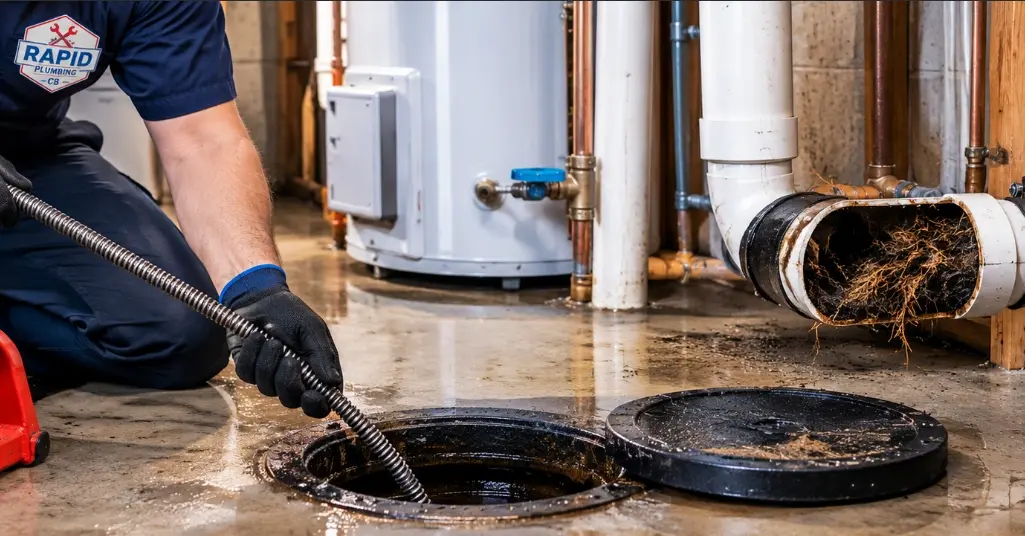
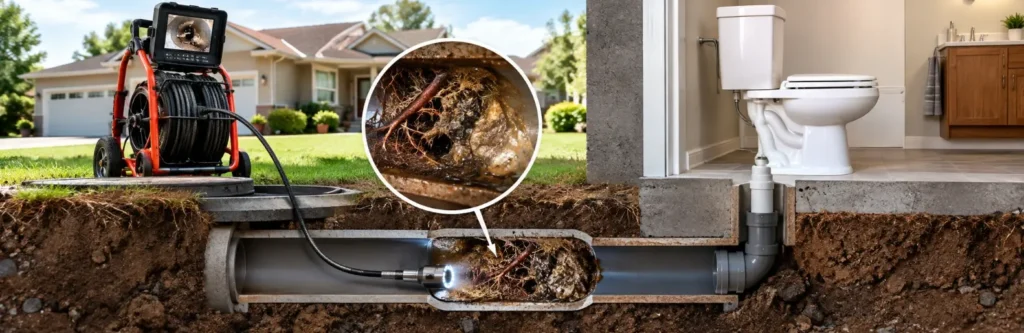
While we’re on the subject of drain access points, it’s worth knowing where your sewer cleanout is before you ever need it in an emergency. The cleanout is a capped pipe, usually a few inches in diameter, that gives direct access to your home’s main sewer line for snaking or camera inspection without having to work through a fixture drain.
- Check the yard first. Look for a capped PVC or cast-iron pipe sticking a few inches out of the ground, usually somewhere between the house and the street, often near the foundation on the side closest to the sewer connection.
- Check the basement. In many Council Bluffs homes, especially older ones, the cleanout is a capped fitting on the main line inside the basement, often near the floor drain or where the line exits the foundation wall.
- Look near the foundation, garage, or crawl space entry if it’s not obviously in the yard or basement — placement varies by when the home was built and by the original plumber’s layout.
Knowing this location ahead of time saves real time during an actual backup — our basement floor drain backup guide and camera inspection guide both start from the cleanout when we’re diagnosing a sewer issue, so having it identified before you call saves a step.
When to Call a Plumber for a Vent or Sewer Line Issue
- Multiple fixtures are slow-draining or gurgling at the same time
- You smell sewer gas indoors, which can indicate a dried-out P-trap from vent pressure loss
- The vent access isn’t safely reachable without professional roof equipment
- You can’t locate your sewer cleanout and need one identified before other work can proceed
- The issue keeps recurring despite clearing visible debris
If the root cause turns out to be a drain clog rather than the vent itself, our recurring drain clog guide and chemical drain cleaner damage guide cover what to check next — and if roots have made their way into the sewer line itself, see our tree roots in sewer lines guide.
Council Bluffs Sewer & Building Resources
Frequently Asked Questions
How do I know if my plumbing vent is clogged?
Watch for slow drainage in multiple fixtures at once, gurgling sounds after flushing, sewer gas smell near drains, and a toilet bowl water level that rises or falls on its own. Any of these can point to a vent blockage rather than a standard drain clog.
Can a clogged plumbing vent cause sewer smell in my house?
Yes. A blocked vent can pull water out of a P-trap through suction, and once that trap dries out, it can no longer block sewer gas from entering through the drain.
Why does my plumbing vent get clogged in winter?
Snow and ice can cap the vent opening on the roof during a heavy Iowa or Nebraska storm, blocking airflow completely until it thaws. This is one of the more common seasonal causes we see in Council Bluffs.
Where is the sewer cleanout usually located?
Most commonly in the yard between the house and the street as a capped pipe a few inches above ground, or inside the basement near the floor drain or where the main line exits the foundation. Exact placement varies by when the home was built.
Is clearing a plumbing vent a DIY job?
Minor debris removal from a safely accessible vent opening can be a DIY task, but roof access carries real fall risk, and a recurring or unclear blockage is best handled by a licensed plumber with the right equipment.