
A sump pump that hums along nonstop, even on a dry day, isn’t doing its job better — it’s warning you that something’s wrong. Sump pump running constantly causes is never normal, and ignoring it is one of the surest ways to end up with a burned-out pump the next time a real storm hits and you actually need it. Here’s what’s likely causing it and what to do next.
For Council Bluffs homeowners, this matters even more. With the Missouri River nearby and spring snowmelt and heavy storms raising the water table, basements here depend on a working pump. Running for a few hours after a big storm can be normal, but a pump that keeps going in dry weather needs attention. If yours won’t shut off, our team handles sump pump repair in Council Bluffs, and you can also read how the Missouri River affects sump pumps in Council Bluffs.
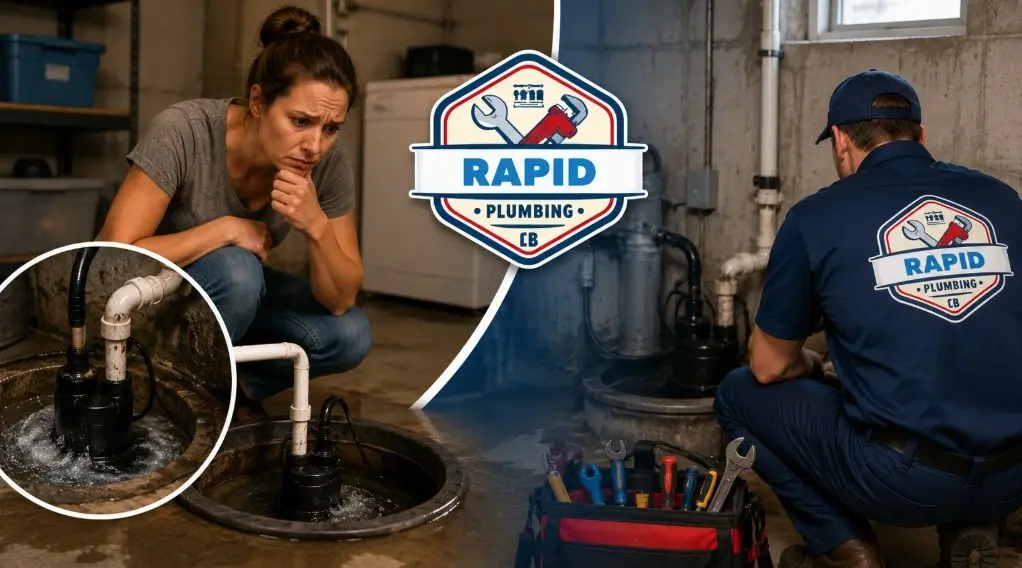
Sump Pump Running Constantly Causes? Here’s What It Means
A sump pump that runs nonstop is one of the more overlooked entries on the list of common plumbing problems homeowners face — mostly because it’s easy to assume the pump is just “working hard.” In reality, a properly functioning pump should cycle on, clear the water, and shut back off. Continuous running means it’s either stuck on, overwhelmed, or struggling to do its job — and a local plumber familiar with Council Bluffs’ basements and water tables can usually narrow down the cause quickly.
Why This Matters More Than It Seems
Sump pumps aren’t designed for continuous duty. A pump that never shuts off will overheat, wear out its motor, and eventually burn out — often at the worst possible moment, during the exact storm that’s testing it hardest. It also drives up your electric bill in the meantime for no real benefit.
Pump running nonstop right now? Don’t wait for it to fail.
Call (712) 355-9187 NowCommon Causes of a Sump Pump Running Constantly
1Stuck Float Switch
The float switch senses rising water and turns the pump on — and off once the level drops. Vibration from normal operation can shift the pump within the pit, pressing the float against the side of the liner or catching it on a wire, which pins the switch in the “on” position even after the water is gone. If you’re not sure what’s inside your pit, our guide on what a sump pump pit is and how it works explains the parts.
2Clogged or Frozen Discharge Pipe
If the discharge line is blocked by debris or sediment — or frozen solid during a Council Bluffs cold snap — water has nowhere to go, so the pump keeps running without actually clearing the pit. A blocked discharge line behaves a lot like any other clogged drain line, just outside rather than inside your home, and it’s closely related to the same seasonal risks covered in our guide on preparing your plumbing for Iowa & Nebraska winters.
3Faulty Check Valve
The check valve is supposed to stop water from flowing back into the pit once it’s been pumped out. When it fails, that water recirculates, tricking the float switch into thinking the pit is still full and keeping the pump running continuously.
4High Water Table or Hydrostatic Pressure
Heavy rain or spring snowmelt can raise the groundwater table around your foundation, pushing significant hydrostatic pressure against your basement walls and floor. In Council Bluffs, where the Missouri River influences groundwater levels, this is a real factor — read more in our guide to sump pumps and the Missouri River water table. During these periods, more frequent pump activity is expected — but truly continuous, non-stop running still points to a problem rather than just heavy seasonal demand.
Not sure if it’s normal seasonal demand or a real problem?
Request Your Free Estimate5Undersized Pump for Your Home
A pump that’s underpowered for the volume of water entering your pit will run constantly trying to keep up, even though it’s functioning correctly. If your basement floods or the pit fills faster than the pump can remove it, the pump itself may simply be too small for the job.
6Aging or Worn-Out Motor
Most sump pumps last around 7 to 10 years. As the motor ages, it can lose efficiency and need to run longer to move the same amount of water — often accompanied by louder operation, more vibration, or visibly reduced pumping power.
What to Do Right Now
- Check whether the pit is actually full or nearly dry — if it’s dry and the pump is still running, the float switch is likely stuck
- Gently free the float switch from any tangled wiring or debris
- Check the discharge line outside for visible clogs or ice
- Listen for unusual grinding, rattling, or straining sounds that suggest a failing motor
Sump pumps combine water and electricity in a confined space. If you’re unsure whether the area is safe to check, or notice any exposed or damaged wiring, stop and call a professional rather than investigating further yourself.
When to Call a Professional
Basic checks — clearing the float switch, checking for a visible clog — are reasonable for most homeowners to try. But if the pump keeps running after that, or you’re dealing with electrical concerns, it’s time to call a plumber rather than keep troubleshooting. Our guide on when to call a plumber instead of fixing it yourself covers this exact kind of judgment call, and it’s worth reviewing before you reach for a quick fix the same way you would with a chemical drain cleaner shortcut — a fix that often masks the real problem instead of solving it.
Ready for a professional diagnosis? Our local plumbers repair and replace sump pumps across Council Bluffs.
Sump Pump Repair in Council BluffsOr get a same-day quote / call (712) 355-9187
Council Bluffs Drainage and Stormwater Considerations
Sump pump performance is closely tied to how water moves around your property and into the city’s broader drainage system. The city’s Engineering Division oversees stormwater management and reviews grading plans for residential and commercial development, working alongside the Storm Water Management program to manage runoff citywide. The city’s Sewer Division maintains the storm sewer network your discharge line ultimately connects to, all under the broader Public Works department. Understanding this bigger picture helps explain why some properties in Council Bluffs deal with sump pump strain more than others, depending on lot grading and proximity to storm drainage infrastructure.
Dealing with a drainage issue bigger than just the pump?
Call (712) 355-9187 NowPermits for Sump Pump Installation or Battery Backup Systems
Installing a new sump pump system, adding a battery backup, or making changes to how your discharge line connects to the exterior of your home may require a permit through the city’s Building Division. This is especially worth confirming if you’re upgrading an older system in a home with a residential or commercial setup that hasn’t been reviewed in years. If you need a new system, see our sump pump installation in Council Bluffs page.
If Drainage Is Affecting a Neighboring Property
If your sump pump discharge — or a neighbor’s — is creating a standing water or drainage issue on adjoining property, that’s worth reporting to the city through Report a Nuisance rather than letting it become an ongoing dispute.
Quick Diagnostic Table
| Symptom | Likely Cause |
|---|---|
| Pump runs, pit is dry | Stuck float switch |
| Pump runs, no water leaving discharge line | Clogged or frozen discharge pipe |
| Water keeps flowing back into pit | Faulty check valve |
| Frequent running during rain/snowmelt only | High water table (may be normal, monitor closely) |
| Pump runs constantly, basin still fills | Undersized pump |
| Louder, weaker, or straining operation | Aging or worn-out motor |
Choosing the Right Help for a Sump Pump Problem
Before hiring anyone for sump pump repair or replacement, review our guide on what to ask before hiring a plumber in Council Bluffs, and make sure whoever you choose is properly licensed — our breakdown of licensed vs. unlicensed plumber risks explains why that matters, especially for anything involving electrical components near water.
Why Homeowners Trust Rapid Plumbing CB With Sump Pump Problems
At Rapid Plumbing CB, we diagnose the real cause before recommending a fix — whether that’s a simple float switch adjustment or a full pump replacement. If your basement has dealt with recurring moisture, it’s also worth reviewing the signs of a hidden water leak, since sump pump strain and hidden leaks sometimes share the same root cause — the same goes for basement equipment like a water heater showing signs of wear or approaching the point where it’s worth comparing a tankless vs. traditional replacement. If groundwater conditions have you thinking about broader water quality too, our comparison of reverse osmosis vs. water filter systems may be worth a look. And if tree roots or drainage issues around your property are part of the picture, we can look at the whole system rather than just the pump itself. Learn more about our team on our About page.
Get your sump pump properly diagnosed before the next storm.
Request Your Free EstimateFrequently Asked Questions
Is it normal for a sump pump to run a lot during heavy rain?
More frequent cycling during heavy rain or snowmelt is expected, but a pump that runs truly nonstop without any breaks — even during peak conditions — usually points to a mechanical problem rather than just heavy seasonal demand.
How long can a sump pump run continuously before it’s damaged?
Sump pumps aren’t built for continuous duty at all — even a relatively short period of nonstop running can begin overheating the motor, so it’s worth addressing the cause as soon as you notice it rather than waiting.
Is a battery backup sump pump worth it?
Yes, especially in areas prone to power outages during storms, since a battery backup keeps your pump running when it’s needed most — during the exact conditions that cause power loss in the first place.
How much does it cost to replace a sump pump?
Cost depends on pump size, battery backup options, and installation complexity. A professional assessment is the most reliable way to get an accurate quote for your specific basement and water conditions.
Don’t let a constantly running pump catch you off guard.
Contact Rapid Plumbing CB Today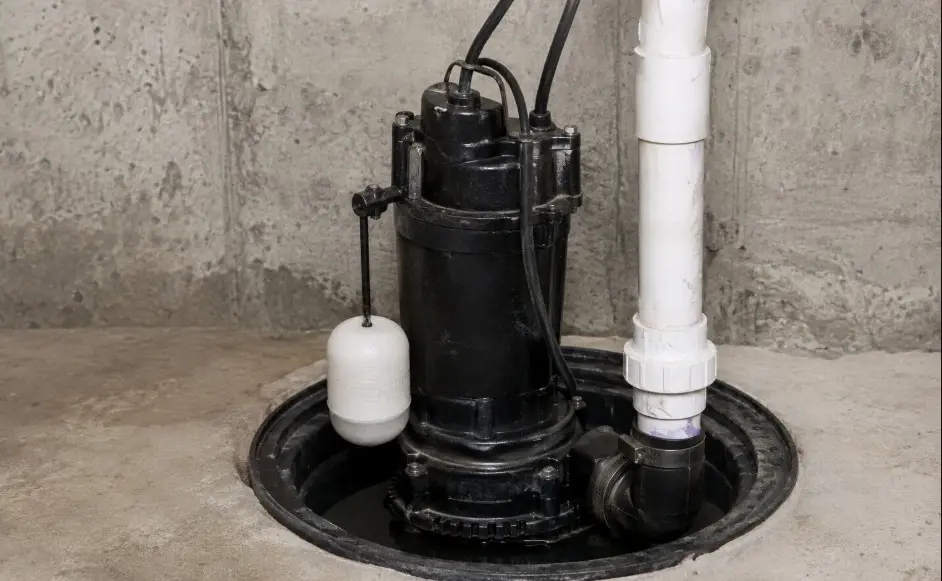
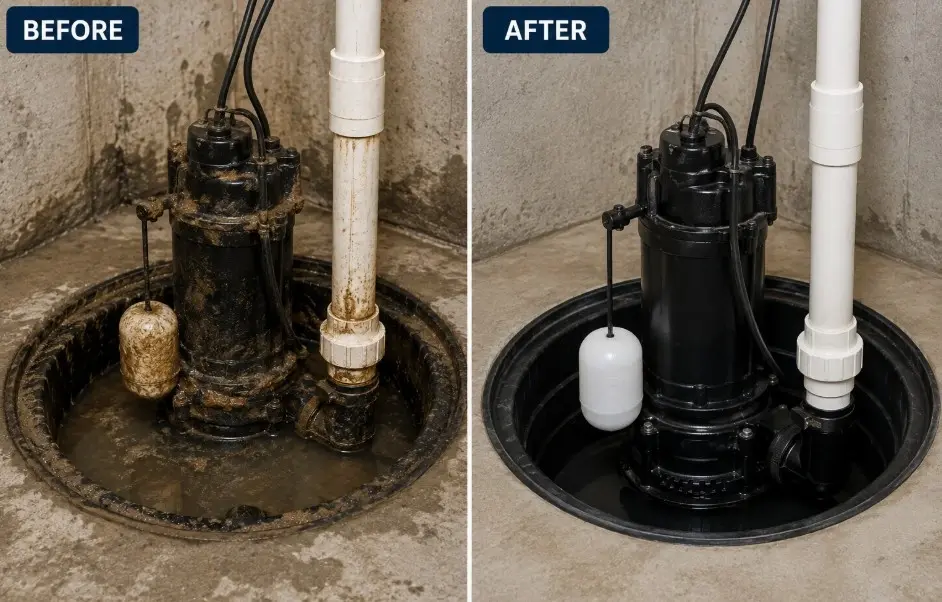
A pump that won’t stop running usually needs a closer look before it burns out. See our sump pump repair in Council Bluffs page for fast, licensed help.
Agar aap ko pit ke andar ki cheezein samajhni hon, to hamari guide what a sump pump pit is and how it works parho. Aur agar pump abhi bhi nonstop chal raha hai, to sump pump repair in Council Bluffs ke liye hum se rabta karein.