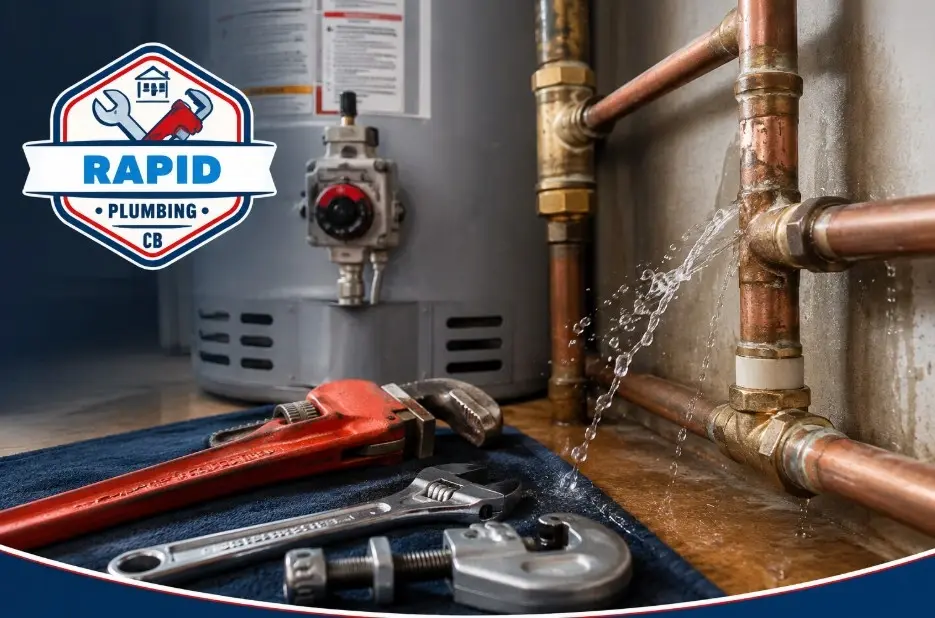
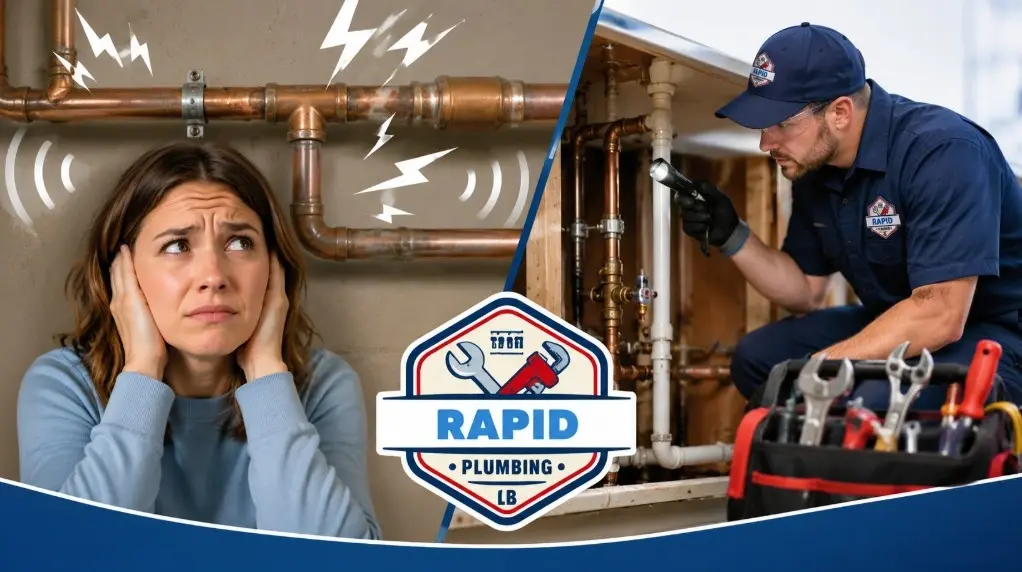
Banging behind the wall when you flush the toilet. A whistle every time the shower runs. A rattle that seems to move around depending on which faucet is on. Understanding the most common noisy pipes causes is the first step to figuring out whether you’re dealing with a harmless quirk or an early warning sign worth addressing before it turns into a bigger repair.
In Council Bluffs, pipe noise is especially common. Many homes here are older, and Iowa’s freeze-and-thaw winters make pipes expand, contract and shift. If the noise keeps coming back, our local plumbers can find the cause. See our plumbing services in Council Bluffs, or read about plumbing in older Council Bluffs homes.
Noisy Pipes Causes: Troubleshooting Guide for Council Bluffs Homes
Noisy pipes are one of those common plumbing problems homeowners face that’s easy to ignore because it’s more annoying than alarming — until it isn’t. A local plumber who’s heard every variation of banging, whistling, and rattling in Council Bluffs homes can usually narrow down the cause from the sound alone. Here’s how to do the same.
Common Causes of Noisy Pipes
1Water Hammer (Banging)
A sudden loud bang, often right after a faucet shuts off or a washing machine finishes filling, is the classic sign of water hammer. It happens when flowing water is forced to stop abruptly, sending a pressure shockwave through the pipes that makes them jolt against their fittings.
2High Water Pressure (Whistling or Humming)
Water pressure above roughly 60 psi can force water through your plumbing at a speed that causes vibration and noise — often a whistle or hum that’s most noticeable at faucets and showerheads.
3Trapped Air in the Lines
Air pockets trapped in your plumbing system can sputter, whistle, or cause a gurgling sound as water pushes past them. This is especially common after work has been done on the system, like a repair or a period without water service.
4Loose or Unsecured Pipes (Rattling)
Pipes are held in place with brackets or hangers, and when those loosen over time, the pipe is free to shift and knock against wood framing or nearby pipes as water flows — a sharp, tapping, or rattling sound that can be tricky to pinpoint since it often echoes through the wall.
Hearing banging or rattling in your walls?
Call (712) 355-9187 Now5Mineral and Sediment Buildup (Whistling or Hissing)
In areas with hard water, calcium and magnesium deposits gradually build up inside pipes, valves, and fixtures, narrowing the interior diameter. That restriction creates friction as water forces its way through, often producing a whistling or hissing sound.
6Worn Washers or Valves (Squealing)
A high-pitched squeal or whine is frequently traced back to a worn washer or valve, commonly near a dishwasher or washing machine connection, where the small components wear out gradually with regular use.
7Thermal Expansion (Creaking or Ticking)
Copper pipes expand slightly as hot water flows through them and contract again as they cool. If a pipe doesn’t have enough room to move, it can rub against drywall or wooden framing, creating a creaking or ticking sound — the same expansion and contraction that plays a role in whether you’d choose a tankless or traditional water heater, since the supply lines feeding either system experience this cycle constantly. Seasonal freeze-and-thaw cycles add another layer to this in Council Bluffs winters, which is part of why our guide on preparing your plumbing for Iowa & Nebraska winters is worth reviewing before the cold sets in.
Not sure which cause matches your sound? Let’s find out.
Request Your Free EstimateQuick DIY Checks You Can Try
- Check your home’s water pressure with a simple gauge — if it’s above 60 psi, that alone may explain whistling or banging
- Listen for whether the noise happens when water turns on, when it shuts off, or continuously — this narrows down water hammer vs. pressure vs. loose pipe issues
- Note which fixture or appliance seems closest to the source — a specific valve or connection is often the culprit for squealing
- Check accessible pipes in a basement or crawl space for obviously loose brackets
These basic checks are reasonable to try yourself. Beyond that, our guide on when to call a plumber instead of fixing it yourself can help you decide where that line sits for a noisy pipe problem specifically.
When Noisy Pipes Signal a Bigger Problem
Occasional pipe noise isn’t usually an emergency, but a few patterns are worth taking seriously. Water hammer that happens repeatedly can loosen fittings and eventually contribute to a hidden water leak, since repeated shockwaves stress joints over time. Rumbling or popping sounds near your water heater specifically are a different issue worth reviewing in our guide on the signs your water heater is about to fail. And if you’ve noticed noise alongside recurring drain issues, it’s worth confirming there isn’t root intrusion or another structural issue contributing to unusual pressure changes throughout the system.
Worried the noise means something more serious?
Get a Same-Day QuoteCouncil Bluffs Water Pressure and Older Home Considerations
Water pressure delivered to Council Bluffs homes is managed through the system overseen by the city’s Board of Water Works Trustees, and you can review the full scope of local utility services through the Utilities directory. Older homes throughout Council Bluffs’ established neighborhoods are especially prone to loose fittings and thermal expansion noise simply due to the age of the original plumbing installation — infrastructure that falls under the city’s Public Works department at the municipal level, even though the interior noise itself is a private plumbing issue for a licensed plumber to address. Our guide to old house plumbing in Council Bluffs covers what to watch for in these homes.
Permits for Repiping or Pressure Regulator Installation
If noisy pipes turn out to require more than a simple fix — repiping a section, or installing a whole-house pressure-reducing valve — that work may require a permit through the city’s Building Division, applied for through the Permit Applications system. This applies to both residential and commercial properties, though commercial buildings often have larger-scale pressure and noise issues given the size of the system. If old or damaged pipes are the cause, see our whole home repiping in Council Bluffs service.
Need repiping or a pressure regulator installed correctly? Our licensed local plumbers can help.
Plumbing Services in Council BluffsOr call (712) 355-9187
Sound-to-Cause Quick Reference
| Sound | Likely Cause |
|---|---|
| Loud bang after water shuts off | Water hammer |
| Whistling or humming | High water pressure |
| Sputtering or gurgling | Trapped air in the lines |
| Rattling or knocking | Loose or unsecured pipes |
| Whistling or hissing near a specific fixture | Mineral/sediment buildup |
| High-pitched squeal | Worn washer or valve |
| Creaking or ticking as hot water runs | Thermal expansion |
Choosing the Right Plumber for Noisy Pipes
Before booking anyone, review our guide on what to ask before hiring a plumber in Council Bluffs, and confirm they’re properly licensed — our breakdown of licensed vs. unlicensed plumber risks explains why that matters even for a fix that might seem minor. You can verify any contractor’s licensing status through the city’s Contractor Licensing page.
Why Homeowners Trust Rapid Plumbing CB With Noisy Pipes
At Rapid Plumbing CB, we track pipe noise back to its actual cause rather than guessing — whether that’s a quick pressure adjustment or a more involved repiping job. If your noise complaint started around the same time as a slow drain, it’s worth having us take a look at both together; our breakdown of drain cleaning costs or a check for existing pipe damage from chemical cleaners may explain more than the noise alone. And if you’ve also noticed a basement pump running more than usual, our guide on a sump pump running constantly covers a related but separate set of causes worth ruling out. If hard water is behind your mineral buildup, our comparison of reverse osmosis vs. water filter systems may help long-term. Learn more about our team on our About page.
Get your noisy pipes diagnosed and quieted for good.
Request Your Free EstimateFrequently Asked Questions
Is banging in my pipes dangerous?
Occasional water hammer isn’t an emergency, but repeated banging can loosen fittings and joints over time, increasing the risk of a leak. Installing a water hammer arrestor or having a plumber assess the cause is worth doing before it becomes a bigger issue.
How do I fix water hammer myself?
Some homeowners have success installing a water hammer arrestor device, but if the problem persists or you’re not comfortable working on your supply lines, a licensed plumber can diagnose and fix the underlying cause more reliably.
Is it normal to hear pipes creak when hot water runs?
Some creaking from thermal expansion is common, especially in older homes, but persistent or worsening creaking may mean a pipe doesn’t have enough room to expand and could benefit from additional clearance or insulation.
How much does it cost to fix noisy pipes?
Cost varies widely depending on the cause — a water hammer arrestor or pressure regulator is a relatively affordable fix, while repiping a section of loose or damaged pipe costs more. A professional diagnosis is the best way to get an accurate estimate.
Stop guessing at the noise — get a real diagnosis.
Contact Rapid Plumbing CB Today