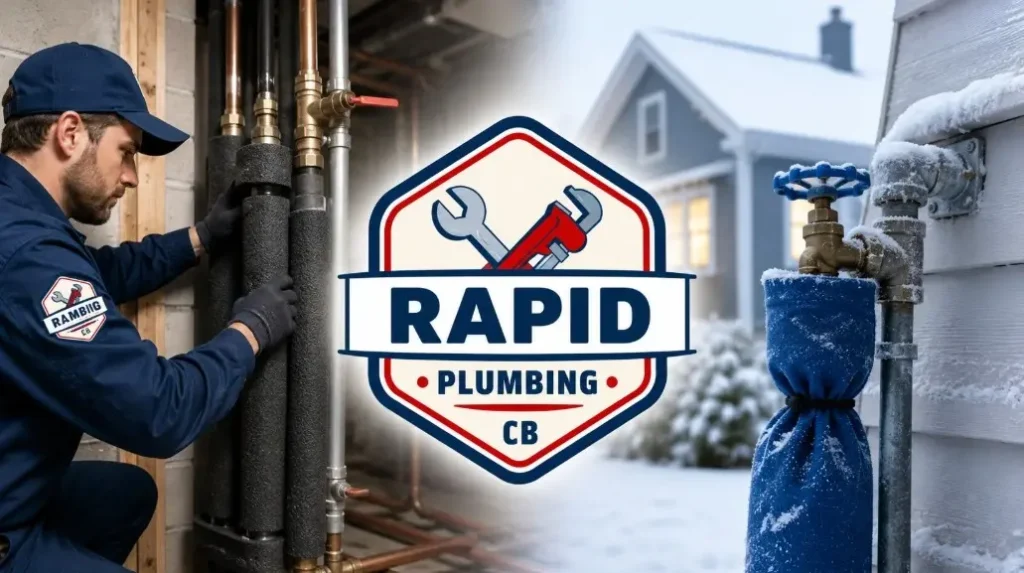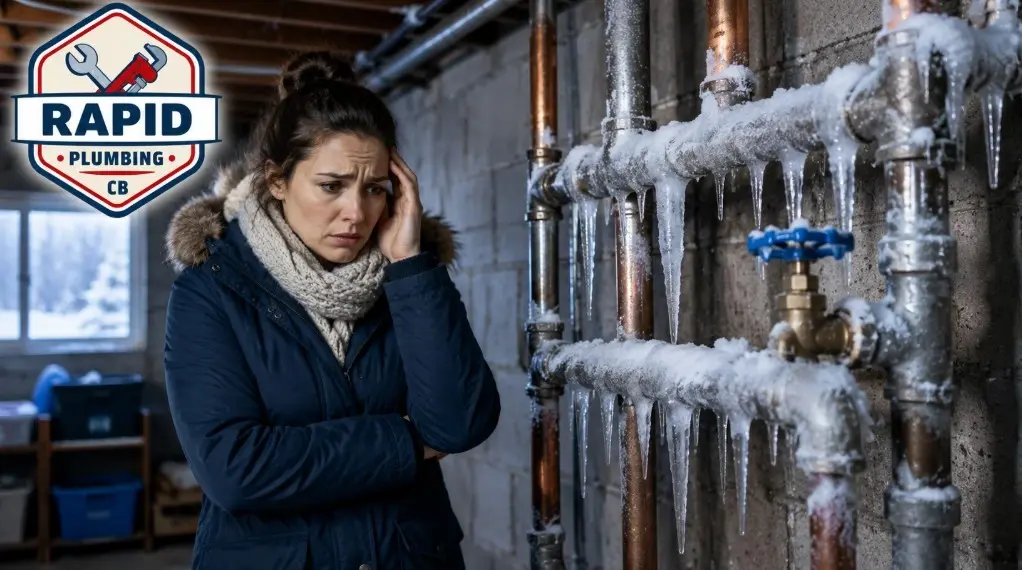
Every fall, Council Bluffs homeowners get one warning before winter really arrives — and it’s the same warning every year: get your plumbing ready before the first hard freeze. Knowing how to prepare plumbing for winter Iowa weather demands isn’t optional here; a single deep freeze can turn an uninsulated pipe into a burst pipe, and a burst pipe into thousands of dollars in water damage. Here’s exactly what to do before the temperature drops.
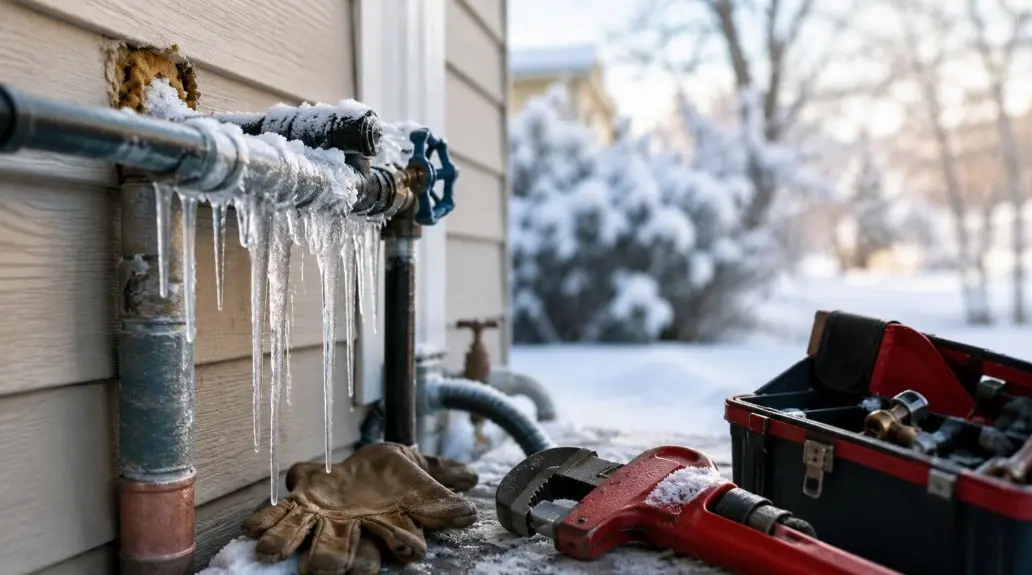
How to Prepare Your Plumbing for Iowa Nebraska Winters Complete Guide
Water expands by roughly 9% as it freezes, and that expansion creates enormous pressure inside a pipe — often enough to crack even sturdy copper or PVC piping. The goal of winterizing your plumbing isn’t complicated: keep water moving or keep it warm, and know what to do if either fails.
Why Council Bluffs Winters Are Especially Hard on Plumbing
The National Weather Service office serving the Omaha and Council Bluffs area regularly issues winter storm watches, extreme cold watches, and advisories throughout the season, reflecting how frequently this region sees the kind of sustained sub-freezing temperatures that put unprotected pipes at real risk. Preparing before the first hard freeze — not after — is the difference between a routine winter and an expensive one.
Source: National Weather Service — Omaha/Valley, NE Office
Want a professional to check your home before winter hits?
Call (712) 355-9187 Now8 Steps to Winterize Your Plumbing
1Insulate Exposed Pipes
Pipes running through unheated spaces — basements, crawl spaces, attics, and garages — are the most vulnerable to freezing. Foam pipe sleeves or heat tape are inexpensive and can be installed in an afternoon, and they make a real difference on the coldest nights of the year.
2Disconnect and Drain Outdoor Hoses and Spigots
Leaving a garden hose connected over winter can trap water in the line leading back into your home, increasing the risk of a frozen and cracked spigot. Disconnect hoses, drain them fully, and install an insulated cover over each outdoor faucet.
3Seal Drafts Near Pipes
Cold air seeping in through foundation gaps, unsealed vents, or cracks around utility penetrations can chill nearby pipes even if they’re technically indoors. Caulk or spray foam around these gaps before the cold sets in.
4Keep a Consistent Indoor Temperature
Set your thermostat to at least 55°F, even when you’re away from home, rather than letting the house cool down significantly to save on heating costs. The relatively small savings aren’t worth the risk of a frozen pipe.
5Let Faucets Drip During Extreme Cold
On nights when temperatures drop well below freezing, letting a faucet fed by a vulnerable pipe drip slightly keeps water moving through the line, which makes it significantly harder for the pipe to freeze solid.
6Know Your Main Water Shutoff Valve
Every household member should know where the main shutoff valve is and how to use it. If a pipe does freeze or burst, shutting off the water immediately is the single most effective way to limit damage while you wait for a plumber.
7Open Cabinet Doors During Cold Snaps
Pipes under kitchen and bathroom sinks are often on exterior walls with limited insulation. Opening the cabinet doors during a cold snap lets warmer room air reach those pipes directly.
8Schedule a Pre-Winter Plumbing Inspection
A licensed plumber can spot vulnerabilities you might miss — inadequate insulation, a slow leak that’s more likely to freeze, or an aging water heater that struggles in cold weather — before they become an emergency mid-winter.
Ready to schedule your pre-winter plumbing inspection?
Request Your Free EstimateWhat to Do If a Pipe Freezes
If a faucet suddenly stops producing water during cold weather, a pipe may be frozen. Keep the faucet open, apply gentle heat to the section of pipe using a hair dryer or towels soaked in hot water (never an open flame or a propane torch), and call a plumber if you can’t locate the frozen section or if the pipe shows any sign of cracking.
What to Do If a Pipe Bursts
- Shut off the main water valve immediately
- Turn off electricity to the affected area if water is near outlets or fixtures
- Open faucets to help drain remaining water from the pipes
- Call a licensed plumber right away to assess and repair the damage
Dealing with a frozen or burst pipe right now? Don’t wait — call us.
Call (712) 355-9187 NowWinter Plumbing Prep Checklist
| Task | When to Do It |
|---|---|
| Insulate exposed pipes | Before first freeze (early fall) |
| Disconnect and drain outdoor hoses | Before first freeze |
| Seal drafts near pipes | Before first freeze |
| Set thermostat to 55°F minimum | Throughout winter, even when away |
| Let faucets drip | During extreme cold snaps |
| Locate main shutoff valve | Before winter — know it in advance |
| Schedule professional inspection | Early fall, before demand peaks |
You can also review official guidance on preparing your home for winter weather through Ready.gov’s Winter Weather preparedness page, maintained by FEMA.
Permits for Winter-Related Plumbing Repairs
If winter weather does cause pipe damage that requires replacement rather than a simple repair, the work may need a permit through the city, depending on scope. You can review current requirements through the City of Council Bluffs Building Division, and confirm any contractor’s license status through the Iowa Plumbing and Mechanical Systems Board.
Why Homeowners Trust Rapid Plumbing CB for Winter Prep
At Rapid Plumbing CB, we help Council Bluffs homeowners get ahead of winter every year — from pre-season inspections to emergency response when a pipe does freeze or burst. Learn more about our team on our About page.
Frequently Asked Questions
What temperature should I set my thermostat to prevent frozen pipes?
Set your thermostat to at least 55°F, even when you’re away from home, to keep indoor temperatures warm enough to protect pipes running through interior walls and unheated spaces.
How do I know if my pipes are at risk of freezing?
Pipes running through unheated spaces like basements, crawl spaces, attics, and garages, as well as pipes along exterior walls, are most at risk. If you’re not sure, a licensed plumber can assess your home’s specific vulnerabilities.
Is it safe to thaw a frozen pipe myself?
You can safely apply gentle heat with a hair dryer or towels soaked in hot water, but never use an open flame or propane torch. If you can’t locate the frozen section or notice any cracking, call a licensed plumber right away.
What should I do first if a pipe bursts?
Shut off your home’s main water valve immediately to limit water damage, then call a licensed plumber to assess and repair the affected pipe.
Related Reading
- The Benefits of Hiring a Local Plumber in Council Bluffs, IA — a local plumber knows exactly how Council Bluffs winters affect your home.
- 7 Signs of a Hidden Water Leak in Your Home — a small leak is more likely to freeze and burst in winter, so catch it early.
- How Much Does Drain Cleaning Cost in Council Bluffs? — see what fair pricing looks like for common winter plumbing issues.
- Residential vs. Commercial Plumbers: What’s the Difference? — winter prep needs differ between homes and businesses too.
- 5 Signs Your Water Heater Is About to Fail — cold weather puts extra strain on an aging water heater.
- When to Call a Plumber Instead of Fixing It Yourself — a burst pipe is never a DIY repair.
- Tankless vs. Traditional Water Heaters: Which Is Right for Your Home? — both types need winter-ready installation and maintenance.
- What to Ask Before Hiring a Plumber in Council Bluffs — vet your plumber with the right questions before any of this work begins.
Get your plumbing winter-ready before the first freeze.
Contact Rapid Plumbing CB Today