Basement Drain Backup Older Downtown Buildings: Why It Keeps Happening
When it comes to basement drain backup, older downtown buildings are hit harder than newer ones. The reason is simple: the pipes under a building that has stood for a century or more were installed with materials, layouts and habits that no longer match how the building is used today. A basement drain backup in an older building is rarely a one-time clog. It is usually the lowest opening on a tired, shared drain line telling you something is wrong further down the pipe.
If you own, manage or rent space in a building in Downtown Council Bluffs, this guide explains what is usually behind the backup, which warning signs matter, what to do in the first few minutes, and how a licensed plumber finds the real cause instead of just clearing the symptom.
Basement drain backing up right now?
Our licensed and insured team is available 24/7 for Downtown Council Bluffs buildings.
Why Older Downtown Buildings Have More Basement Drain Problems
Most backups in older buildings come back to a handful of causes. Often more than one is present at the same time.
Aging clay and cast iron drain lines
Older drain and sewer lines were commonly clay or cast iron. Clay joints can shift or let roots in. Cast iron corrodes from the inside, builds up rough scale and eventually flakes or cracks. Both materials slow the flow, catch debris and make repeat clogs likely. Our guides on clay and cast iron sewer pipe in older buildings and cast iron drain pipe replacement show how to tell which you have and when replacement makes sense.
Sagging or offset sections of pipe
Over decades, soil settles. A section of line can sag and hold a pool of water, or a joint can shift out of line. Solids stop at that low spot, build up and cause the same drain to back up again and again, even after it is cleared.
A shared drain stack serving several fixtures
Many older multi-tenant buildings send restrooms, sinks, floor drains and sometimes laundry into one shared stack and one line out to the street. A blockage anywhere downstream backs water up through the lowest opening, which is almost always the basement floor drain. That is why the basement shows the problem first even when the clog is not in the basement at all.
Dry floor drain traps and neglected floor drains
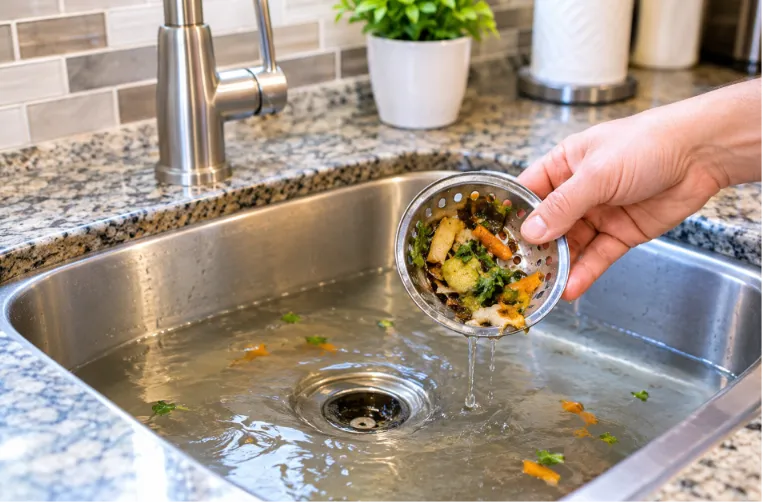
A floor drain that rarely gets water can dry out its trap, which lets sewer odor into the space. Mud, lint and debris also collect in neglected drains and make them slow to clear when the line is under pressure.
Debris, grease and wipes in the building line
Wipes, paper products and kitchen fats collect on rough older pipe walls far faster than on smooth modern pipe. If your building has a food business, the grease side of the problem is covered in our guide to restaurant plumbing on the 100 Block. This article focuses on the building age and basement drain side.
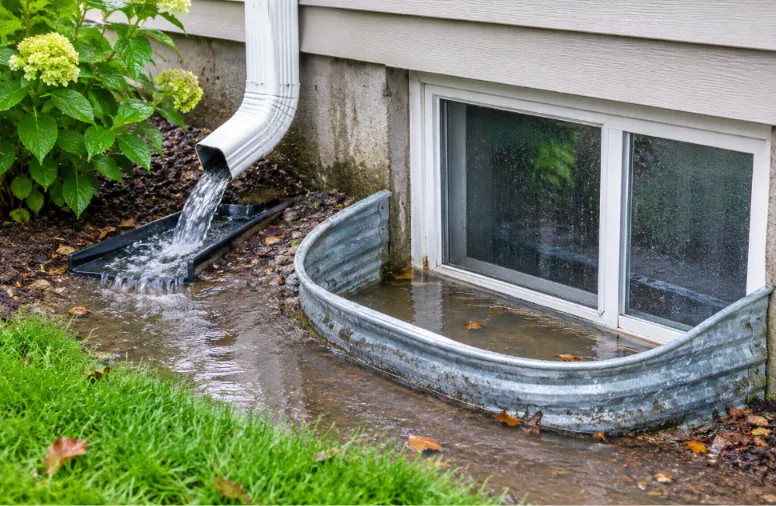
Heavy rain and an overloaded system
Some older buildings have lines that were never fully separated between storm and sanitary flow, and during heavy rain the system can be overloaded. If backups happen mostly during storms, mention that to your plumber right away.
Warning Signs Before a Basement Drain Backs Up
Older buildings usually give a few warnings before the first real backup. Watch for these:
| What you notice | What it often means |
|---|---|
| Gurgling from the floor drain or a basement toilet | Air is being pushed through a partly blocked line |
| Sewer smell near the floor drain | Dry trap, or sewage sitting in a low spot in the line |
| Slow drains on several floors at once | A shared stack or the building line is restricted, not just one fixture |
| Water rising in the basement drain after a flush upstairs | The main building line is blocked or badly restricted |
| Repeat clogs that return within weeks | Damaged, sagging or heavily scaled pipe, not a one-time clog |
| Backups mostly during heavy rain | System overload or storm water getting into the line |
If you also see slow drains and strange vent noises, a clogged vent can add to the problem. Our guide on a clogged plumbing vent explains how to tell.
What to Do the Moment a Basement Drain Backs Up
- Stop using water. Ask tenants and staff to stop flushing, running sinks and using laundry or dishwashers. More water in the line makes the backup worse.
- Do not pour chemical drain cleaner. It will not clear a failing older line, it is hazardous to anyone who has to work on the drain afterward, and it can damage pipe. See why chemical drain cleaners damage pipes.
- Find out how many fixtures are affected. One drain points to a local clog. Several drains or floors point to the shared stack or the building line.
- Call a licensed plumber. A same-day visit with the right equipment is the fastest way to stop damage. Our emergency plumber service covers urgent backups.
- Ask about the city main if the whole street is affected. If neighboring buildings have the same problem, contact City of Council Bluffs Public Works Operations to report a possible problem in the public sewer main. The line inside your property, up to the connection with the city main, is a separate question. See our guide to Council Bluffs sewer line responsibility.
- Document the damage. Take photos and notes for your records and for any insurance conversation. Our article on what to do in the first hour of basement flooding walks through this in more detail.
How a Plumber Finds the Real Cause of a Basement Drain Backup
Clearing the drain only fixes today’s problem. In an older building, the better question is why it backed up. A thorough visit usually includes:
- Locating the cleanout. Many older buildings have a cleanout that is hidden, buried or unlabeled. Our guide on where your sewer cleanout is can help you find yours.
- Cleaning the line. Depending on what is in the pipe, the right tool is either a cable or a high-pressure water jet. Read hydro jetting vs snaking to understand the difference, and see our drain cleaning service for what we do.
- Running a camera through the line. A sewer camera inspection shows cracks, sags, offset joints, roots and scale, so the repair is based on what is actually in the pipe.
- Recommending a fix that fits the findings. That might be a cleaning schedule, a spot repair or a larger sewer line repair.
Repair and Prevention Options for Older Building Drains
Regular cleaning based on what the camera shows
If the pipe is sound but scaled or prone to buildup, scheduled cleaning can keep it flowing. A camera inspection tells you how often that should be.
Spot repair or replacement of failed sections
When a section is cracked, collapsed or badly sagging, cleaning will not hold. Repairing or replacing that section is what stops the repeat backups. For cost context, see our guide on sewer line repair cost in Council Bluffs.
Trenchless options where they fit
In some cases, repairing a pipe from the inside can avoid tearing up a basement floor or sidewalk. Whether that is possible depends on the camera findings. Learn more in our article on trenchless pipe lining in Council Bluffs.
A backwater valve to stop backflow from the main
A backwater valve is a one-way valve in the building drain that closes if flow tries to come back from the street. It can help when backups come from the main, but it does not fix a blockage inside the building. Our backwater valve guide explains when one is worth considering.
Keeping floor drains healthy
Run water into rarely used floor drains so the trap stays full, keep drain covers clear of debris, and do not store items over the drain. For a homeowner-style walkthrough of floor drain basics, see our basement floor drain backup guide.
Owner, Tenant and Permit Questions
In a multi-tenant older building, the first question after a backup is usually who handles it. Your lease sets out who is responsible for the building’s drain lines, so check it before assuming. For landlords, our plumbing maintenance checklist for landlords and Council Bluffs rental plumbing guide can help you plan ahead.
If a repair involves changing drain lines, adding fixtures or a backwater valve, ask whether a permit is needed before work begins. Start with our Council Bluffs plumbing permit guide, then confirm details with the City of Council Bluffs website. If you are dealing with an insurance claim after water damage, see water backup coverage questions to ask your insurance agent.
Frequently Asked Questions About Basement Drain Backup in Older Buildings
Why does the basement floor drain back up in an older building?
The floor drain is the lowest opening on the building drain, so it shows a downstream problem first. In older buildings that problem is often aging clay or cast iron pipe, a sagging section, scale buildup, roots or a blockage in the shared line leaving the building.
Is a basement drain backup the city’s problem or the building owner’s?
It depends on where the blockage is. A problem in the public sewer main is a city matter, while a problem in the building’s own drain line is generally the property owner’s. A plumber can run a camera to tell you where the blockage is. If several buildings on your street are affected, report it to City of Council Bluffs Public Works Operations.
Can I use chemical drain cleaner on a backed-up basement drain?
We do not recommend it. Chemical cleaners rarely fix a failing older line, they put anyone working on the drain at risk, and they can damage pipe. A camera inspection and proper cleaning are safer and more effective.
Will a backwater valve stop my basement drain from backing up?
It can stop sewage from flowing back in from the main, but it will not clear a blockage inside the building. It works best alongside proper cleaning and any needed repair of the building line.
How can I prevent repeat basement drain backups in an older building?
Start with a camera inspection so you know the condition of the line. From there, many owners set a cleaning schedule, repair damaged sections, keep floor drain traps filled and keep wipes, grease and debris out of the system.
Who do I call for a basement drain backup in Downtown Council Bluffs?
Call Rapid Plumbing CB at (712) 355-9187. We are a licensed and insured team available 24/7 for urgent backups, and you can also browse our full list of plumbing services in Council Bluffs.
Stop the repeat backups for good
Get the cause found and fixed, not just the drain cleared. Talk to a licensed Council Bluffs plumber today.